





HIV/AIDS remains a major public health concern in Tanzania and in other southern African countries, it is a major threat facing various segments of the human population and it widely threatening human lives, labour force and posing serious threats to gains made in socio-economic development in the region. HIV/AIDS has become a major cause of disintegration of families, communities and some countries in Sub-Saharan countries.
The prevalence of the disease is highest within the most active and productive population i.e. the population between the ages of 15 and 49. In Tanzania, the figures show that this population bracket leads in a number of people living with HIV/AIDS, with about about 5.1% of the total population living with HIV/AIDS compared with the average 1.4% of total population living with HIV/AIDS. While the affected population is higher in some regions, it quite low in others. In Njombe region for example, the prevalence is 14.8% while in Manyara region, it is 1.5%.
Key risk population have been identified as people in prisons, drug users, sex workers, homosexuals and transgender persons, have been identified as key movers in HIV/AIDS transmission. Added to these groups are mobile pastoralist populations whose lifestyle of sharing men, shared circumcision equipment and low hygiene.
Migration of young people from rural to urban areas in search of employment opportunities, weakened traditional authority of elders, lack of accurate knowledge of the youth population regarding on HIV/AIDS, gender relations and increasing levels of impoverishment, have all been named as key factors aiding the spread of HIV/AIDS transmission among the pastoralist people in Northern Tanzania.
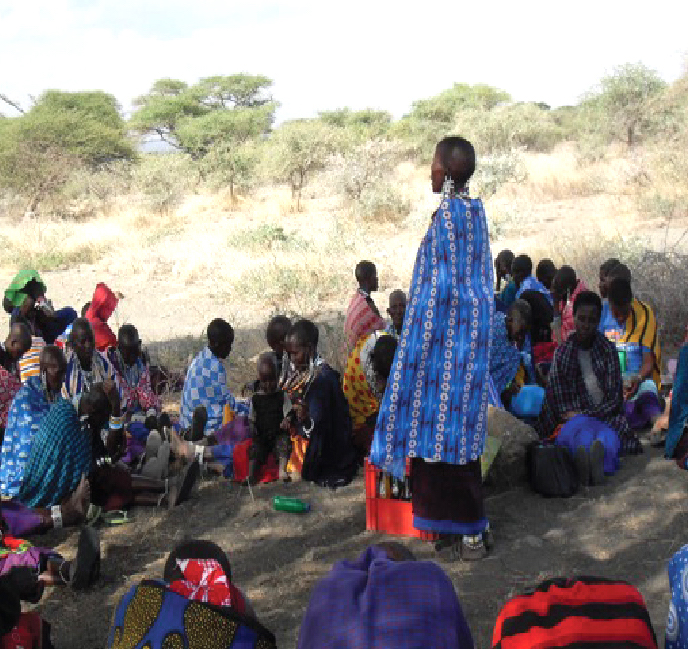
In most of the pastoralist areas where PILIDO is working, the prevalence of HIV/AIDS is more pronounced among women compared to men because of polygny, early marriages, patriarchy and reluctance of men to use condoms as well as other of safe sex during sexual intercourse. All these factors result in high rates of transmission of HIV/AIDS and STDs within some sections of the populations. More than fifty (50% ) of HIV/AIDS infections are reported to have been transmitted through sexual transmission or transmitted during pregnancy, labour and delivery or during breastfeeding. Gender inequality among the target population is very high, and this perpetuates negative effects in relation to transmission of the disease. The level of stigmatisation is high for people living with HIV/AIDS among the pastoralist population and in some cases those living with HIV/AIDS associated with witchcraft.
Designed a HIV/AIDS with a clear understanding of all these factors. The HIV/AIDs programme was therefore formulated to address factors such as
Lack of awareness of the magnitude of the problem and threats it poses to communities, families and society as a whole
Shortage of health workers in most of the rural areas
Inadequate availability and willingness to use available methods to preven further spread of HIV/AIDS
Enhance early diagnosis and care of patients who are already HIV/AIDS positive
To link those already affected to other service providers for treatment and care.
Sakina, Opposite Machinjio P.O. Box 16630 Arusha
+255 733 535 192
info@pilido.org
Copyright © 2024 – PILIDO | All Rights Reserved