


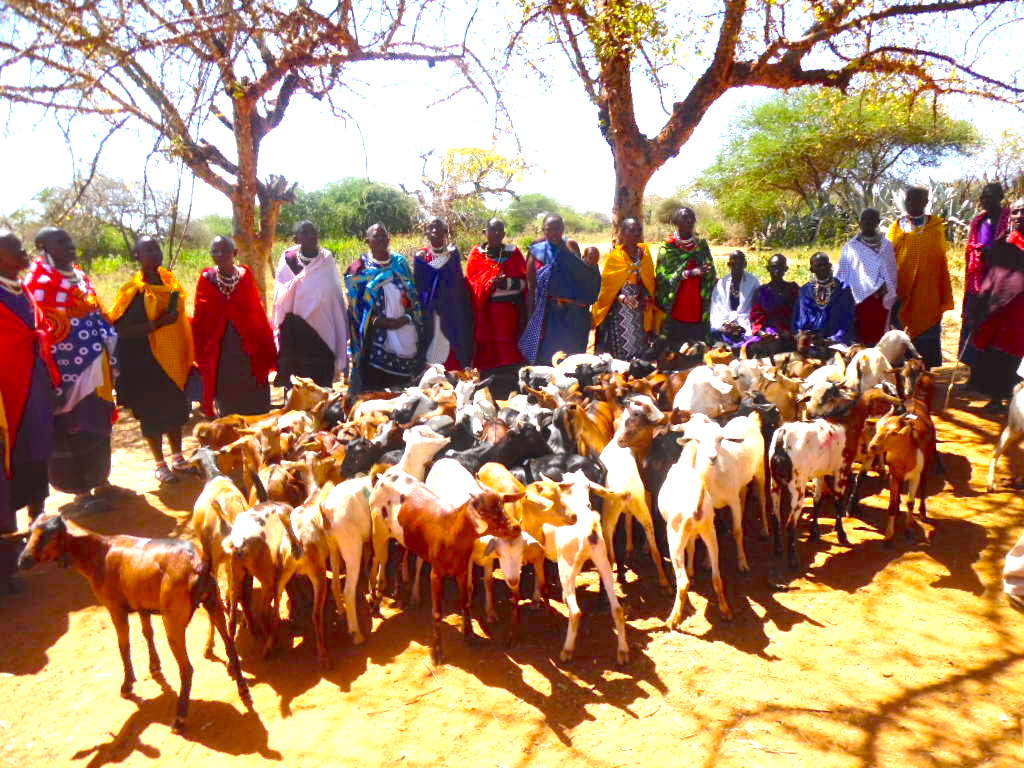
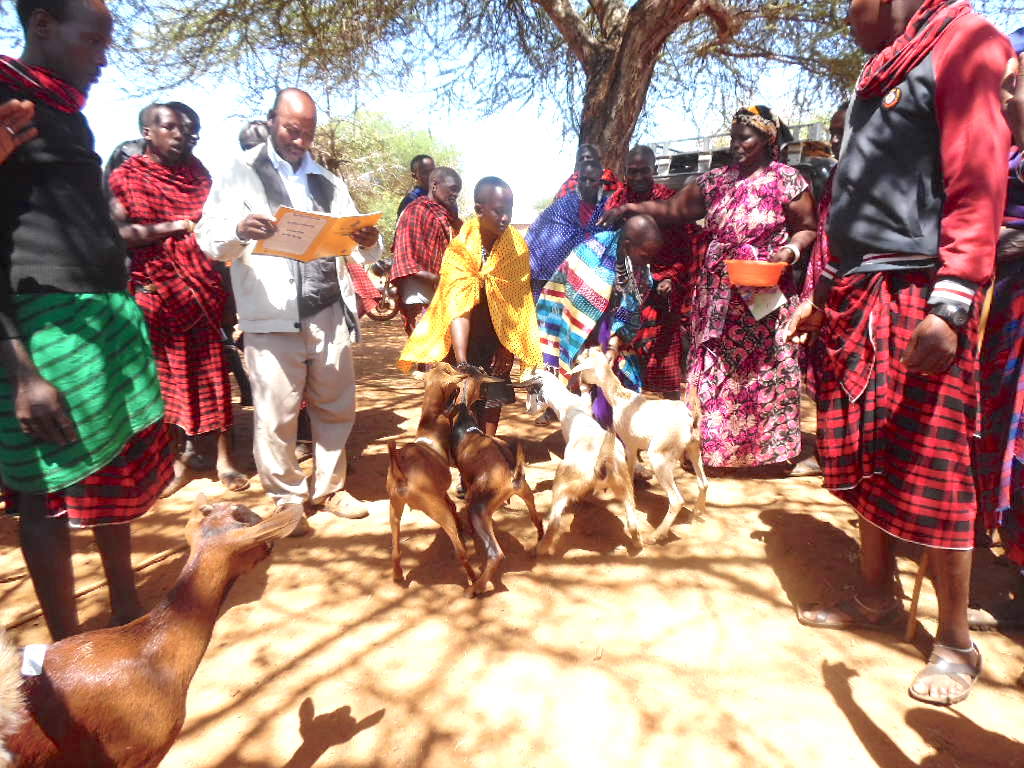
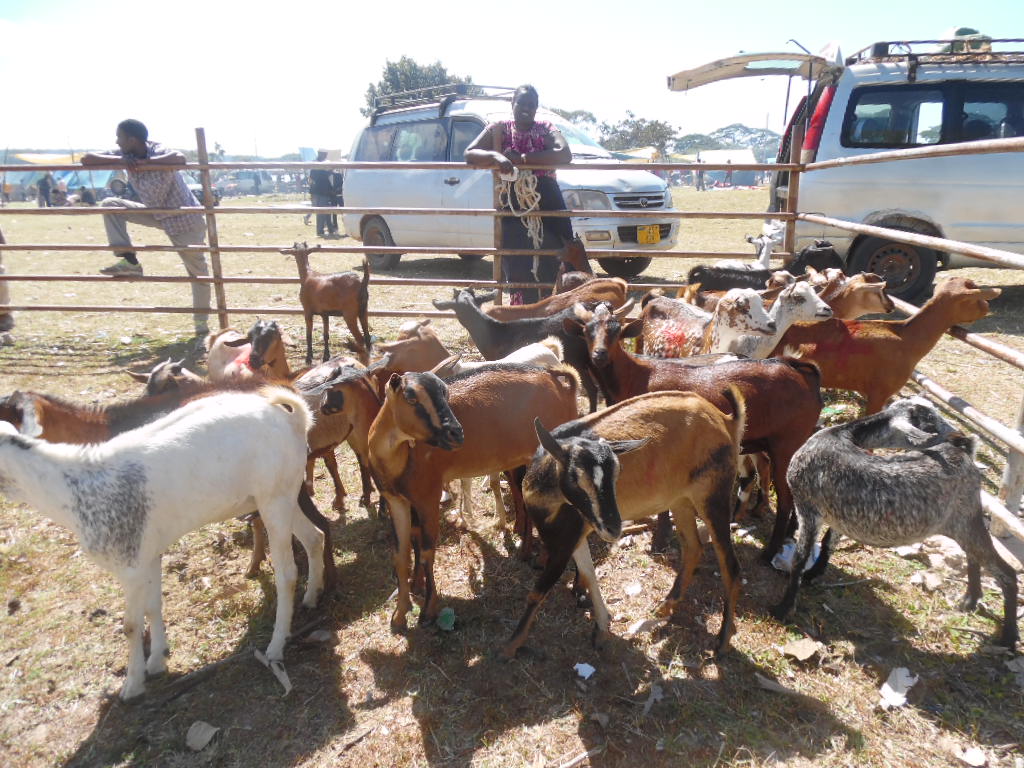
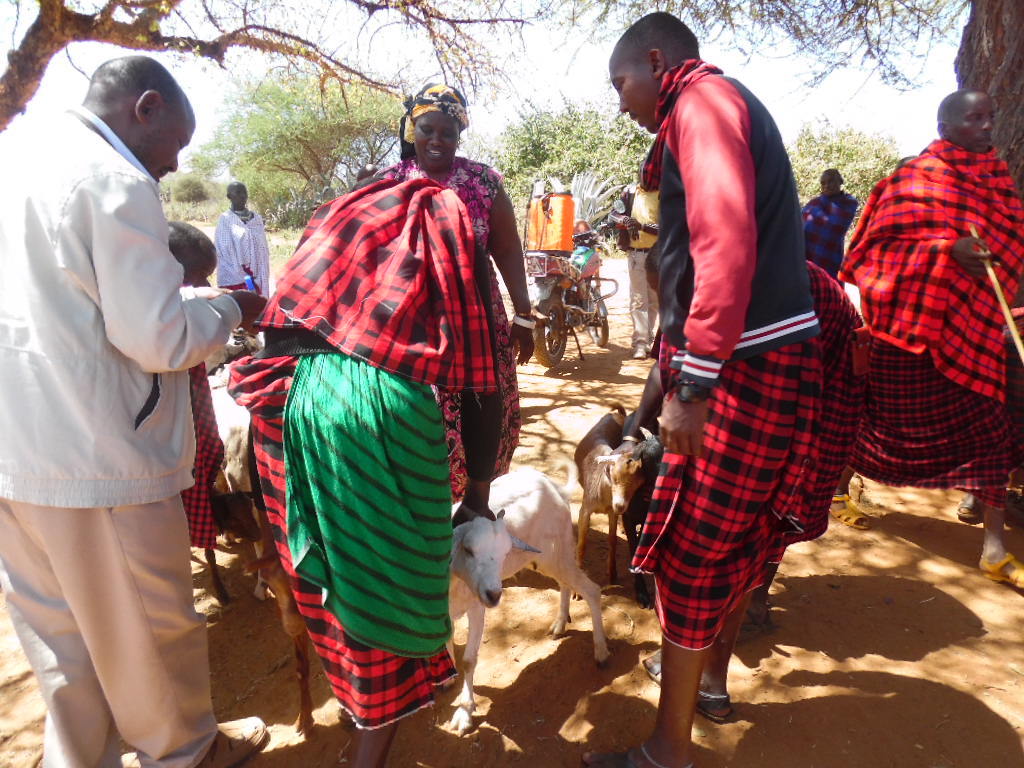



Tanzania is well endowed with livestock resources; it is the second country in Africa having the largest number of livestock after Ethiopia. Tanzania assumed this second position after Sudan was divided into two countries Sudan and South Sudan. According to the National Bureau of Statistics (NBS), Tanzania currently has 30.5 million cattle, 18.9 million goats, 5.56 million sheep, 1.9 million pigs and 38.59 million traditional chickens. FAO (2014), stated that Tanzania accounts for 11% of cattle population in Africa and 1.4% of the cattle population worldwide.
The sector has well diversified pastoral indigenous systems that are versatile; people have a wealth of knowledge regarding rangeland management, disease control mechanisms and living with climatic as well as environmental uncertainty.
The productivity of the sector is largely under-reported in the official statistics, and its true contribution to GDP is not well captured.
The high potential of the livestock sector is constrained by a set of factors that include:
Inadequate and secured land, water and grazing resources
Inadequate animal health infrastructure and facilities; inadequate disease controls
Inadequate access to markets for livestock and livestock products
Unfavorable terms of trade for livestock keepers
These factors have constricted the livestock sector, denying the realization of its potential in maximizing its production and productivity potential i.e. contributing more to GDP, poverty reduction and household food security. Tapping the livestock potential can transform the sector significantly.
Transformed livestock sector whose production and productivity insures a stream of income adequate for secure livelihoods, household food security, poverty reduction and as a major contributor to national income.
Livestock is the key economic resource for the pastoralist communities, and PILIDO sees support to this sector as essential for enhancing security of resource tenure; keeping pastoral lands for use by pastoralists; unlocking the potential of livestock keeping and enhancing production and productivity. It is important that basic infrastructure to support improvement of animal health is rehabilitated, and in some cases, built anew where an infrastructure does not exist. Access to markets for livestock and livestock products is critical for livestock keepers, enabling both men and women to realize monetary income needed for other household needs.
The 5-Year Plan has a set of four complementary objectives that if implemented, will transform the livestock sector, making it robust, more productive and contributing to the well being of livestock keepers. The Plan is designed to reduce poverty, ensuring household food security and livelihood sustainability, and contributes to national income.
Inadequate and secured land, water and grazing resources
Improved Animal Health and Efficient Disease Control
Increased Livestock Production and Productivity
Increased Access to Markets for Livestock and Livestock Products
Animal health remains fundamental to improved livestock production, productivity, market access, product quality and poverty reduction. The strategy for implementing is to work with pastoralists and other livestock keepers together in controlling transboundary regional, district and village animal diseases using national guidelines and regulations. Further protocols from The International Office for Epizootics (OIE). The strategy will focus on training of livestock keepers and animal health workers to enhance their capacity in the following areas:
animal disease monitoring and early detection dangerous livestock diseases that usually cause high levels of livestock deaths such as Render pest, Contagious bovine pleura pneumonia, Rift Valley Fever, Sheep pox and goat pox, Food and mouth disease, lumpy skin disease, bluetongue and other highly pathogenic avian influenza. The Strategy will emphasise functional surveillance that tracks changes in the epidemiological parameters of such dangerous animal diseases.
The programme will further training paravets or para professionals who are livestock keepers, living in the target communities and they will be equipped with veterinary kits to be able to function within the community. The programme will provide one by circle per para vet to enable them to get around, visiting pastoralists treating their animals. A number of villages will be supervised by ward livestock extension officer who will also supervise the paravets.
Livestock vaccination campaigns will be run to ensure that pastoralist vaccinate their animals on regular basis. PILIDO will coordinate with the District Veterinary Officer to ensure availability, quality and access of veterinary drugs by the local livestock keepers. There is tremendous demand for the para-professional services, and the experience from Arusha Regions that shows that veterinary supervised para-professionals allow private practices, even in the most remote areas, to be profitable.
Through another programme implemented by PILIDO i.e. governance and management of natural resources, with special focus on joint village grazing clusters, will complement efforts to enhance animal feeds and improve livestock nutrition. Appropriate technologies will be adopted to promote livestock health as feeding is a pre-requisite for good animal health.
Sakina, Opposite Machinjio P.O. Box 16630 Arusha
+255 733 535 192
info@pilido.org
Copyright © 2024 – PILIDO | All Rights Reserved